


Understanding the psychological triggers that drive gambling behavior
Understanding the psychological triggers that drive gambling behavior
The Allure of Gambling
The world of gambling is often characterized by its captivating allure, drawing individuals into a complex web of excitement and anticipation. The thrill of winning, combined with the potential for substantial financial rewards, creates a powerful psychological motivator. Many gamblers report an adrenaline rush that accompanies gameplay, particularly during high-stakes moments. This rush can lead to a sense of euphoria, compelling players to return for more, as they chase the feelings associated with their victories. For more information about gaming options, visit wildzyy.uk, where players can explore exciting games.

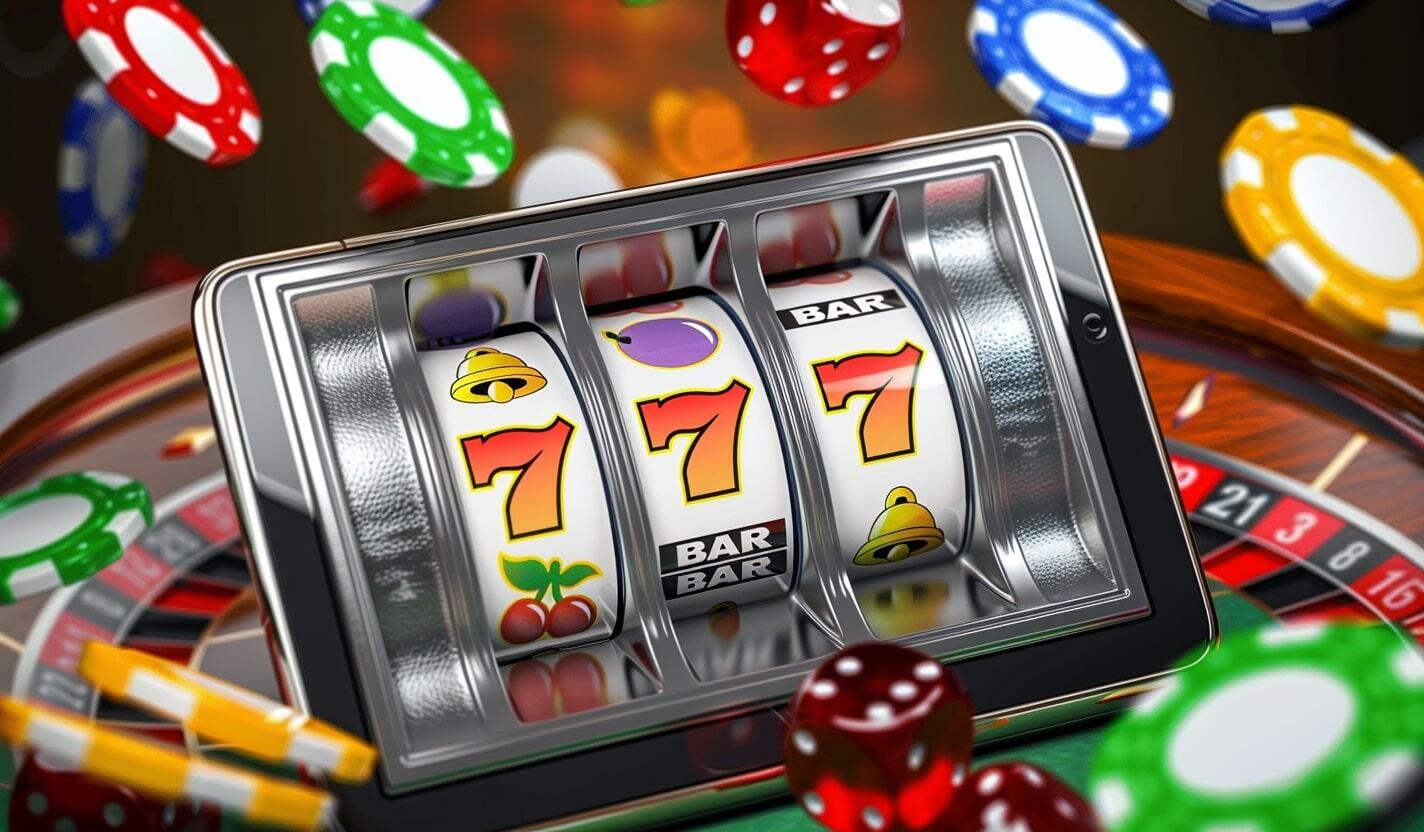
Moreover, gambling environments are designed to enhance these emotional responses. Bright lights, engaging sounds, and the strategic placement of games all contribute to creating an atmosphere that encourages prolonged engagement. Slot machines, for example, utilize visual and auditory stimuli to amplify excitement, reinforcing the desire to play. This sensory experience is not merely coincidental; it is meticulously crafted to trigger emotional highs that keep players coming back.
The concept of near-misses also plays a significant role in driving gambling behavior. When players nearly win, they experience a heightened sense of hope and motivation, often misinterpreting these near-wins as signs that victory is imminent. This cognitive bias can lead individuals to increase their betting, as they feel they are on the verge of success. Understanding this phenomenon is crucial for recognizing how psychological triggers can distort perceptions and influence gambling decisions.
The Role of Cognitive Biases
Cognitive biases are systematic patterns of deviation from norm or rationality in judgment, and they significantly impact gambling behavior. One prominent bias is the illusion of control, where individuals believe they can influence the outcome of random events. This belief can lead players to engage in gambling with the notion that their choices, such as betting strategy or timing, will affect the game’s outcome. As a result, gamblers may disregard the inherent randomness of games, leading them to place more bets.
Another critical cognitive bias is the gambler’s fallacy, which refers to the belief that past events can influence future outcomes in independent random events. For instance, if a player has observed a losing streak on a slot machine, they may believe that a win is due, leading to increased betting and potential losses. This misconception underscores the importance of understanding how cognitive biases can skew judgment and fuel gambling behavior, often resulting in irrational decision-making.
Additionally, confirmation bias can cause gamblers to focus on information that supports their beliefs while ignoring contradictory evidence. This selective thinking reinforces the idea that their gambling habits are rational or justified. For instance, a gambler may remember their wins vividly while downplaying or forgetting their losses, leading to an unrealistic view of their gambling success. Recognizing these cognitive biases is essential for individuals looking to understand their gambling patterns and make informed choices.
The Impact of Emotional Factors
Emotions significantly influence gambling behavior, often acting as a driving force behind individuals’ decisions to gamble. People may turn to gambling as a coping mechanism for stress, anxiety, or depression, seeking the temporary escape that gambling provides. The excitement of the game can serve as a distraction, allowing players to forget their problems, albeit momentarily. However, this emotional reliance on gambling can lead to unhealthy patterns, potentially fostering addiction.
Moreover, the sense of community found in gambling environments can amplify emotional responses. Many individuals enjoy the social aspect of gambling, engaging with others in a shared experience. This communal enjoyment can create feelings of belonging and validation, further enhancing the psychological pull of gambling. The interactions with fellow players, whether in a casino or online platform, can lead to an emotional high that is difficult to replicate in other activities.
Additionally, the connection between emotions and decision-making becomes even more apparent during moments of high stakes. The fear of loss, for instance, can prompt players to make impulsive decisions, often betting more than they originally intended. This cycle of emotional highs and lows can create a rollercoaster of experiences, making it challenging for gamblers to maintain control over their actions. Acknowledging these emotional triggers can help individuals develop healthier relationships with gambling.
Understanding the Social Dynamics
The social dynamics surrounding gambling significantly contribute to its appeal, particularly in communal settings like casinos. Peer influence can play a substantial role in shaping individual gambling behaviors, as people may feel pressure to conform to the actions of others. This can lead to increased betting and a heightened desire to participate, often driven by the fear of missing out on communal excitement. The social context can amplify the psychological triggers that drive gambling behavior, creating a sense of urgency and competitiveness.
Furthermore, the portrayal of gambling in popular culture can influence societal perceptions and behaviors. Films, television shows, and advertisements often glamorize gambling, depicting it as an exhilarating, high-stakes activity. This representation can lead individuals to romanticize gambling, viewing it as a pathway to success or adventure. The normalization of gambling in social narratives can shape attitudes and behaviors, ultimately driving more people to engage in gambling activities.
Additionally, the role of family and friends in a gambler’s life cannot be overlooked. Supportive or encouraging relationships can reinforce gambling behaviors, while negative influences can result in a cycle of shame and secrecy. Understanding the social dynamics at play helps to clarify why individuals may gamble and how their relationships can either promote or deter such behaviors. Recognizing these factors is crucial for developing strategies to address gambling-related issues.
Exploring Safe Gambling Options
For those interested in exploring gambling while maintaining a healthy perspective, safe gambling options are essential. Platforms like Wildzy provide an engaging online gaming experience while promoting responsible gambling practices. With extensive options available, players can enjoy a wide range of games while being aware of their spending and limits. This balance is crucial for ensuring that gambling remains a source of entertainment rather than a compulsive behavior.
Wildzy not only offers a diverse selection of games but also emphasizes player safety and well-being. The platform encourages responsible gaming by providing tools for players to set limits on deposits and spending. This proactive approach helps mitigate the psychological triggers that can lead to excessive gambling while allowing individuals to enjoy gaming responsibly. Continuous support, such as 24/7 customer service, further enhances the experience, ensuring players feel secure in their choices.
Ultimately, understanding the psychological triggers that drive gambling behavior is essential for both players and operators. By fostering a culture of awareness and responsibility, platforms like Wildzy contribute to a healthier gambling environment. With the right resources, players can enjoy the thrill of gambling while keeping their psychological well-being in check, allowing for a more balanced relationship with gaming activities.